Mural Restoration in Action: Together We Stand, Divided We Fall
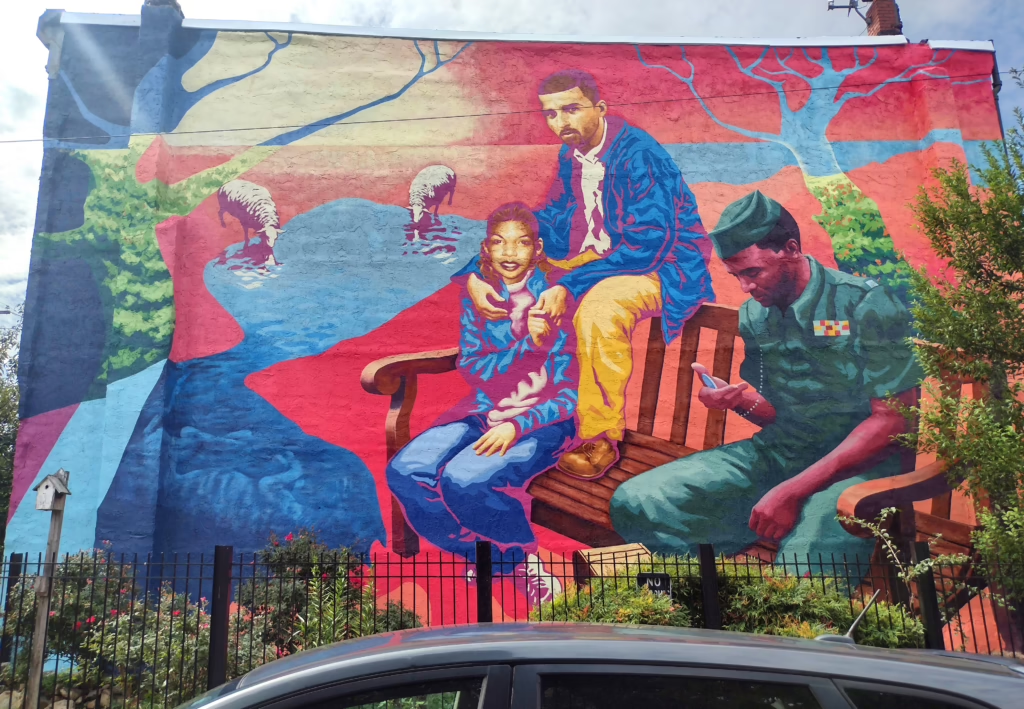
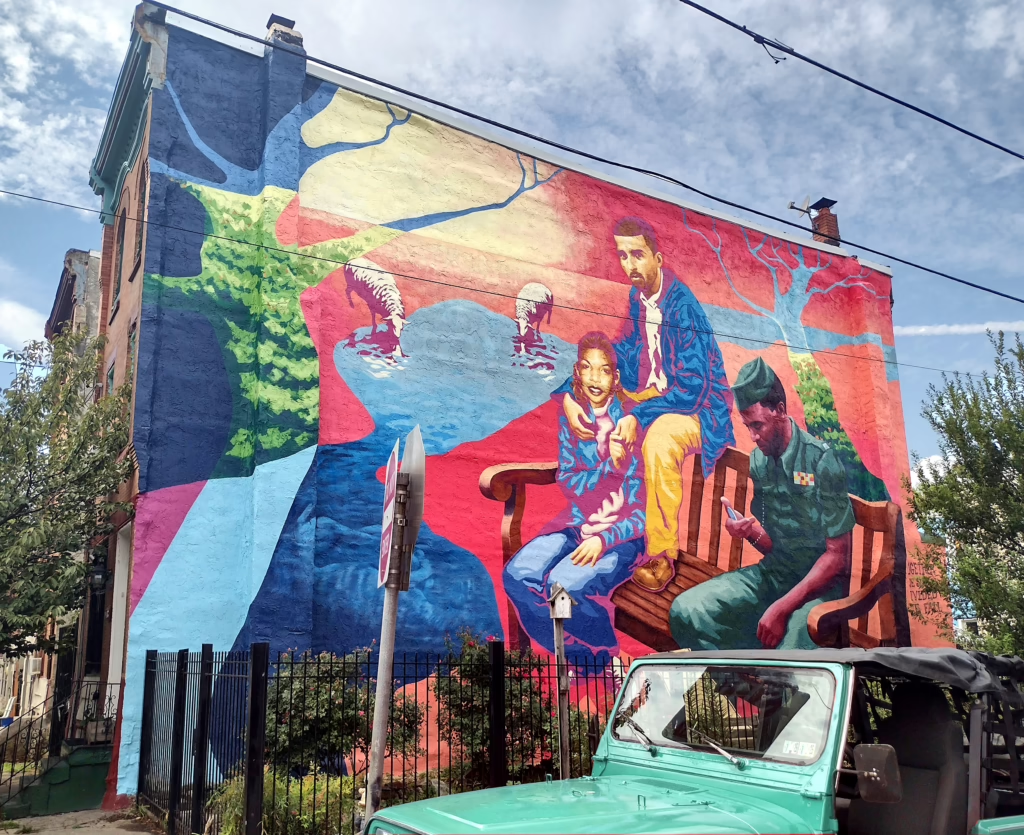
On November 18, from 11 am to 12 pm, Mural Arts will celebrate the restoration of John Lewis’s “Together We Stand, Divided We Fall” mural with a rededication ceremony. The Mural is located at 903 W. Indiana Avenue, Philadelphia.
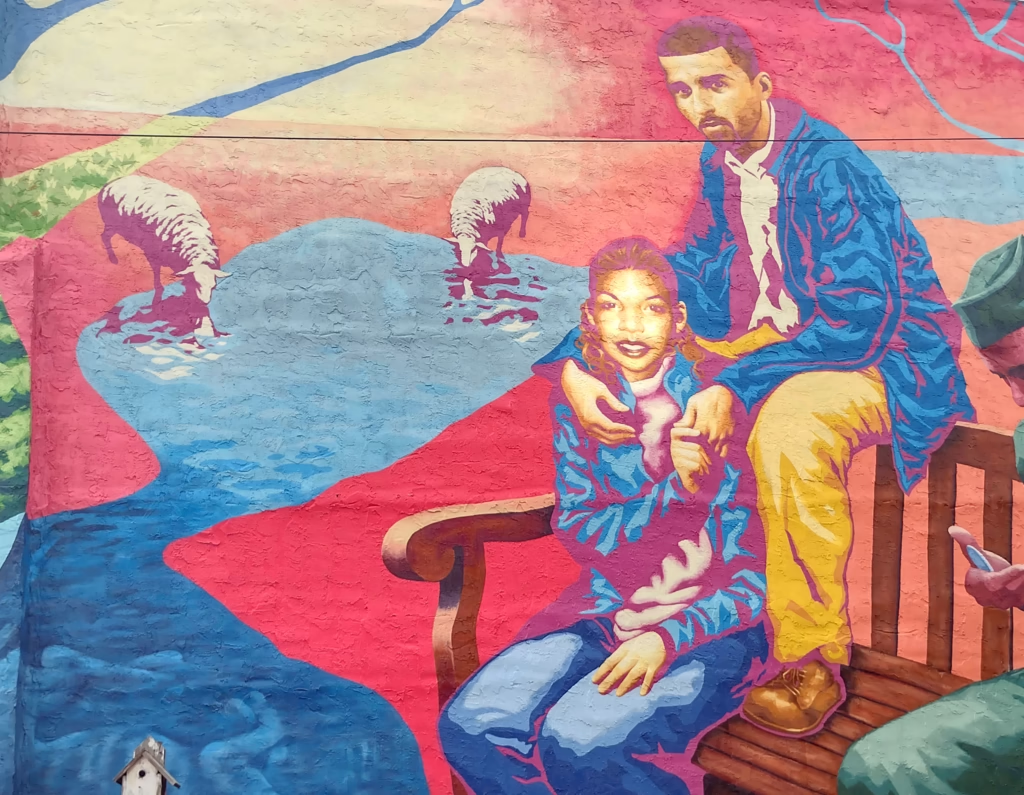
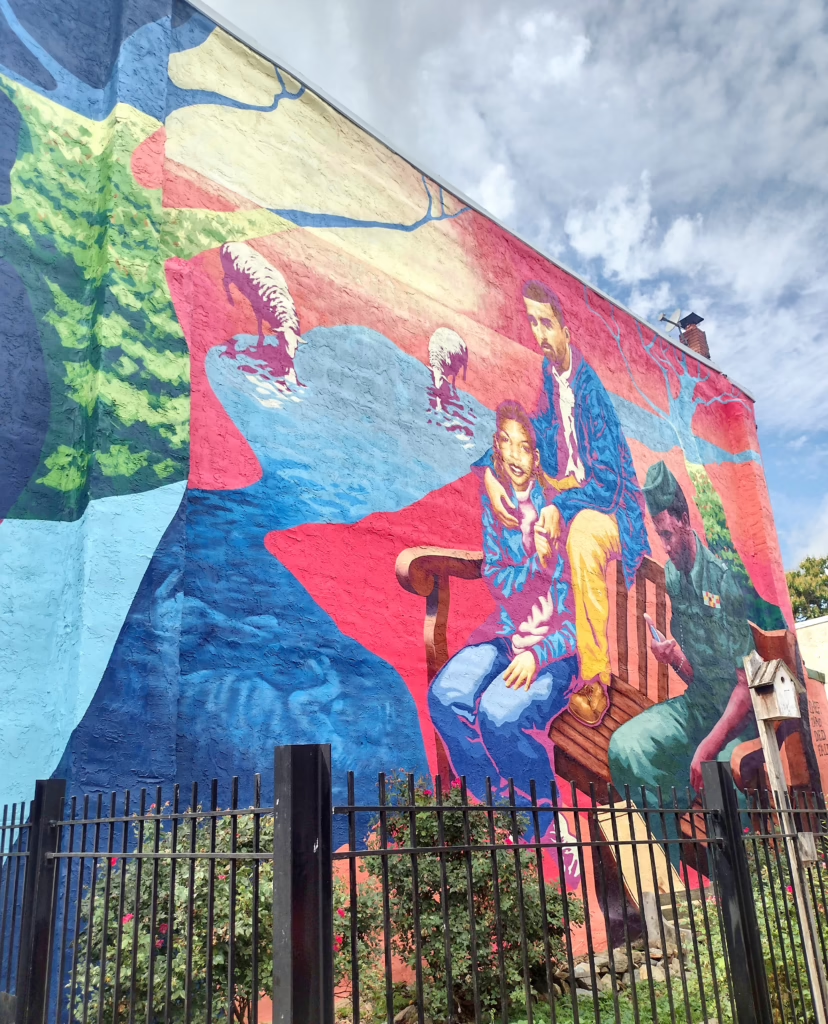
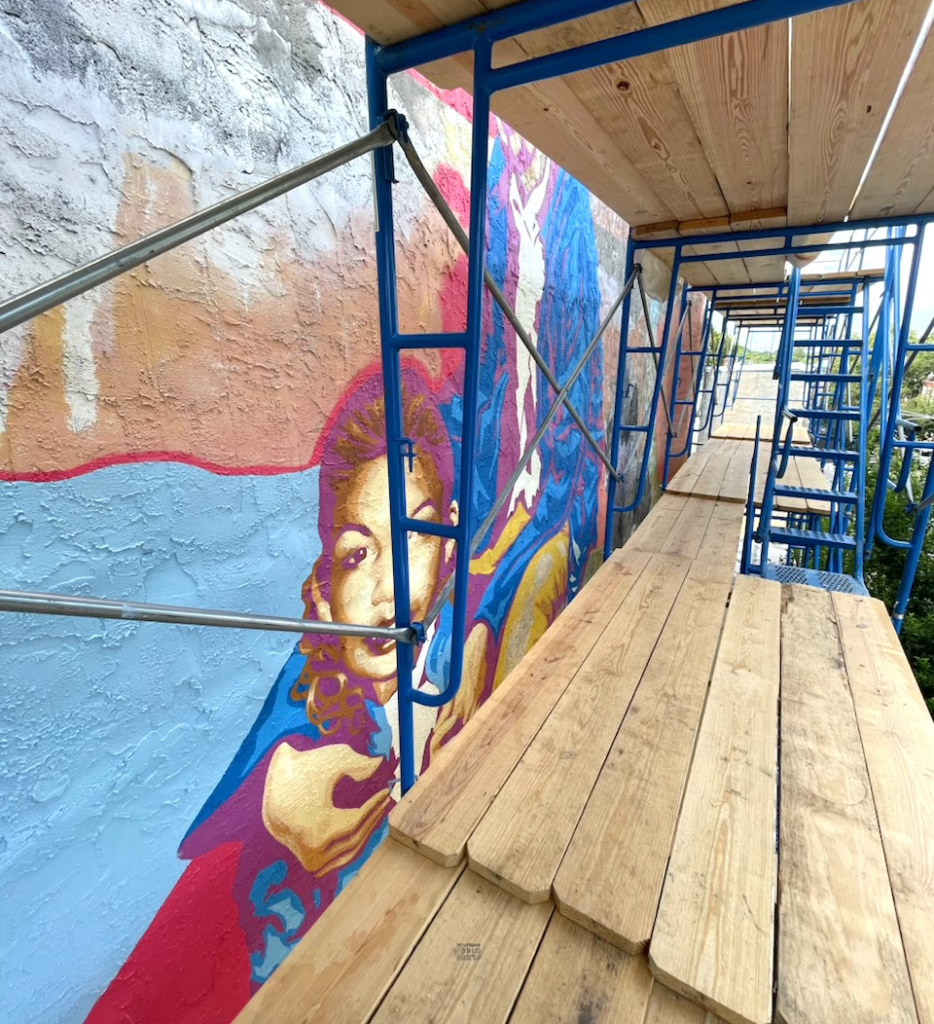
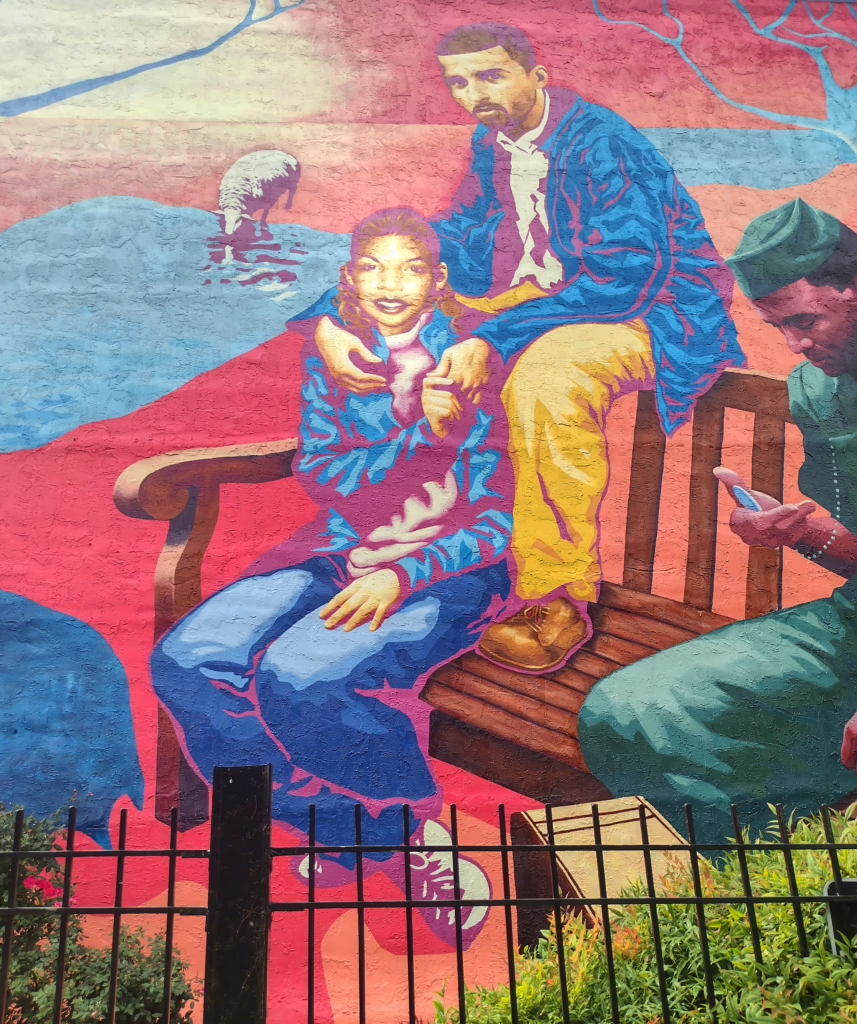
Created in 2000, the mural serves as a memorial for Rodolfo ‘Cholo’ Rodriguez and Petra Yamira Vargas, a young couple who were victims of gun violence in the Fairhill neighborhood in the late 1990s. The memorial portraits are centered in a narrative featuring a symbolic sacrificial figure—a soldier who has sacrificed for peace—and other symbols of peace and justice.
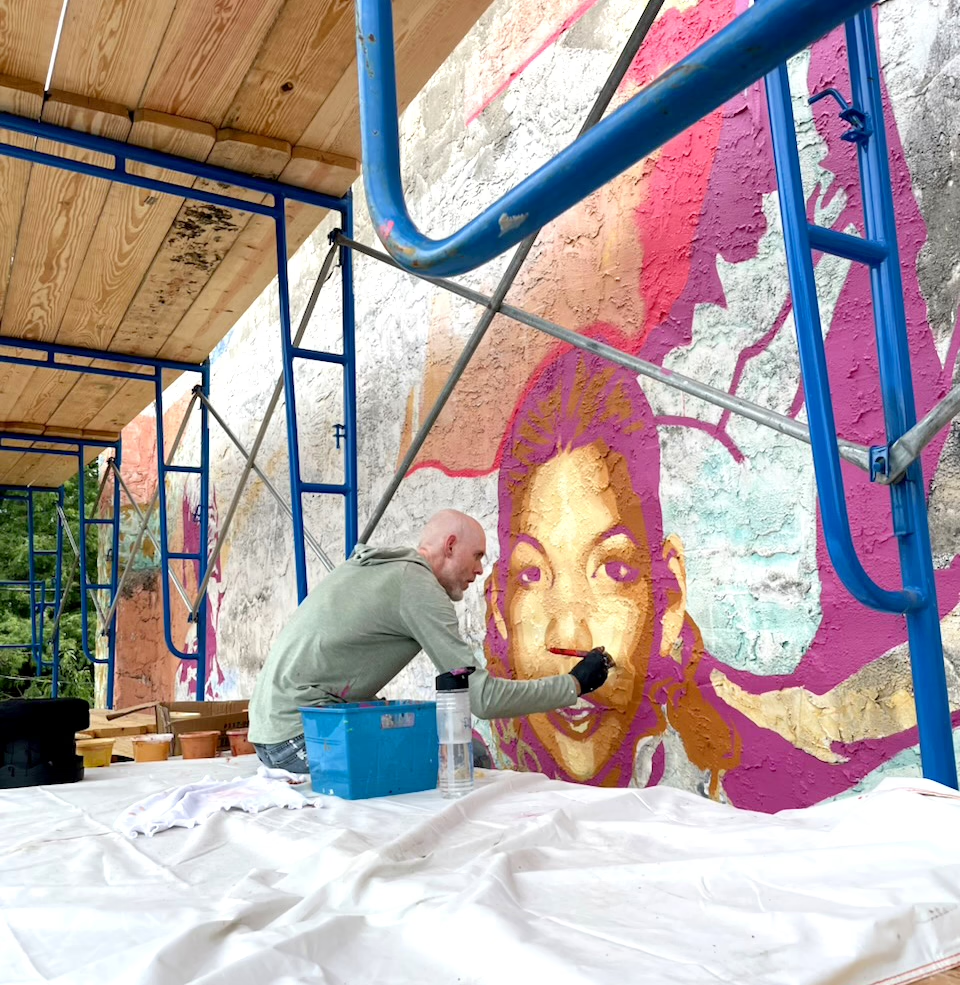
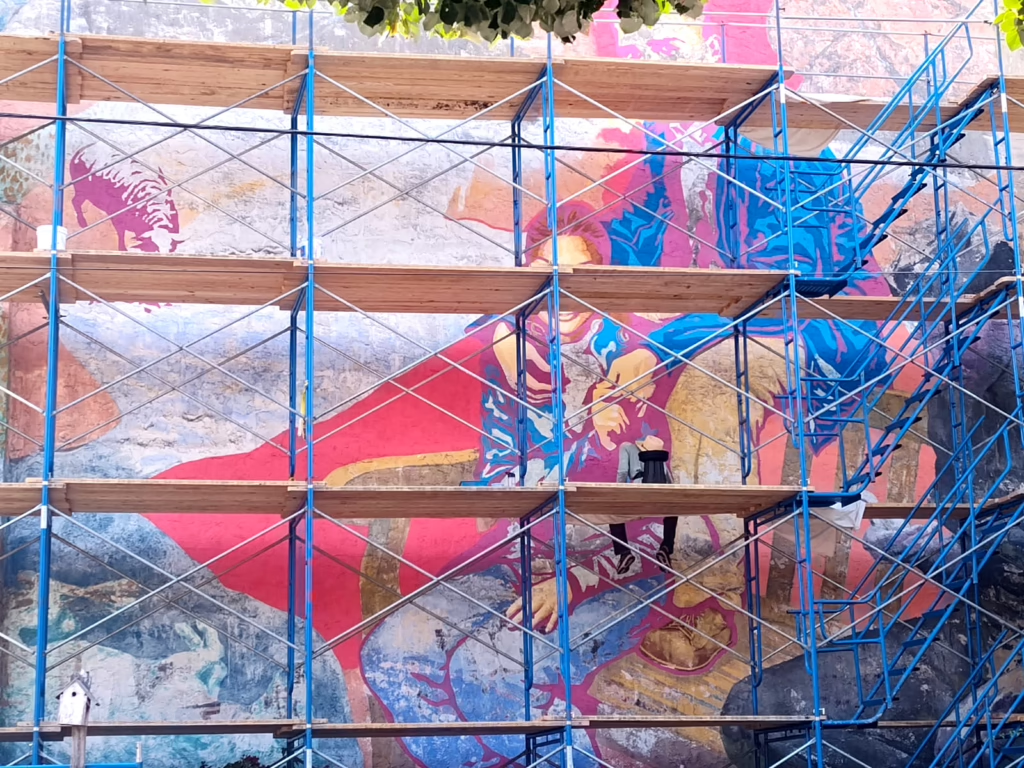
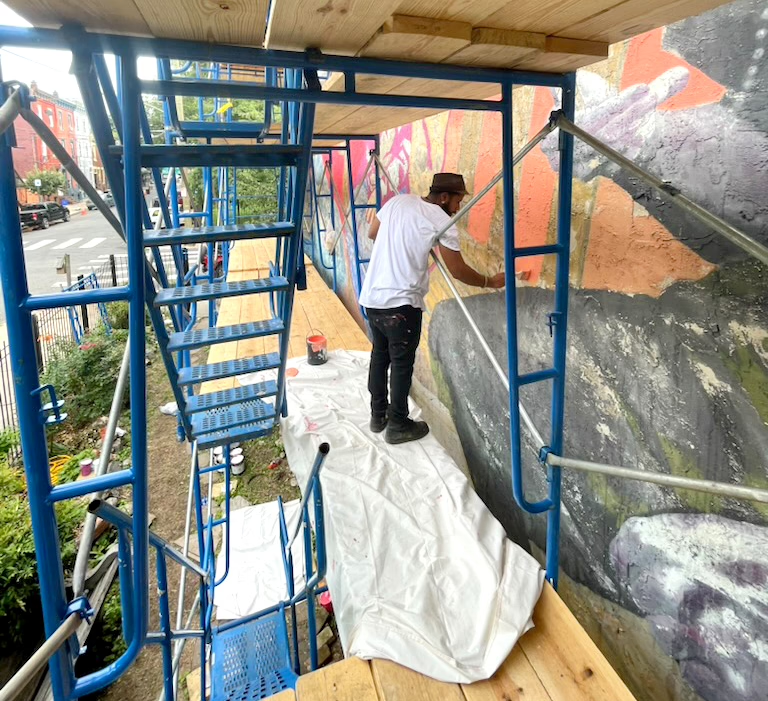
The mural restoration took place in July and August 2025. Thanks to restoration artists John Lewis, Diana Gonzalez, Lami Tolla, Malachi Floyd, Neury ‘Tito’ Caba, Larissa Juelg, and the Operations Crew for their outstanding work on the restoration. This rededication will provide an opportunity for families and community members to express healing and gratitude, while highlighting the importance and impact of tribute murals. This mural is a stand against violence in the neighborhood.
We talked with Neury ‘Tito’ Caba, the Green Space Director at Fair Hill Cemetery, and artist John Lewis about their involvement in the restoration of this mural.
Neury ‘Tito’ Caba
What led you to reach out about the mural restoration?
My motivation for reaching out about the mural restoration comes from a deep commitment to honoring the history of Fairhill. The mural reflects a tragic event that initially drew attention to the long-neglected burial ground and ultimately inspired the community to reclaim and restore it.
For me, preserving this mural is about safeguarding that history so it is never forgotten. It stands as both a remembrance of loss and a symbol of resilience. By restoring it, I hope to continue stewarding the land with care and respect, ensuring that the stories of those buried here remain visible and valued.
The mural has also become an important educational tool. Through mural tours, we utilize this approach to share the site’s history, the tragedy that sparked restoration efforts, and the ongoing work to protect and uplift this sacred place. In short, my motivation is to preserve the memory, history, and meaning of Fairhill for future generations.
Tell us a bit about the related mural tours that Fair Hill Cemetery runs:
Our tours begin inside the Burial Ground, where we share the site’s history and introduce the abolitionists and women’s-rights leaders laid to rest here. Standing among their graves makes clear that these stories aren’t abstract — these were real people whose work helped shape our nation, and this community.
From there, we step into the surrounding neighborhood to visit murals that honor this legacy and reflect more recent stories of struggle and resilience. Murals highlighting the Female Anti-Slavery Society or the Underground Railroad often spark conversations about how deeply Fair Hill was tied to these movements, and how those threads still run through the neighborhood today. Others, like Tribute to Peaches, open space to reflect on contemporary community leadership — the kind that isn’t always documented but lives on in memory and public art.
What makes these tours meaningful is how the cemetery and murals speak to one another. Beginning in the Burial Ground gives visitors a sense of lineage; visiting the murals shows how that history continues to live in the streets around us. Together, the space and the art tell a shared story: the past remains present, shaping Fair Hill and the people who call it home.
Did you have any interactions with the family related to the people depicted in the mural?
Yes. I communicated directly with the family to make sure they were aware of the re-dedication and had the details they needed to participate. I shared the event information, confirmed that the date worked for them, and helped ensure they felt welcomed and represented during the program.
Is there anything else you would like to share?
Murals, especially when woven into green spaces, create places where beauty, healing, and daily life meet. They invite us to pause, see ourselves reflected in the art, and feel welcomed into the stories they tell. When paired with trees, gardens, and spots to gather, they become small but powerful pockets of peace — reminders that our community is seen, valued, and worthy of care.
North Philadelphia is the least tree-populated area in the city and has long felt the effects of disinvestment, poverty, and limited opportunity. In that reality, public art and greening aren’t just beautification — to me, they’re acts of love. They give us places to breathe, to connect, to process trauma, and to imagine what’s possible.
I’ve seen how murals give voice to stories that might otherwise go untold — honoring ancestors, neighborhood leaders, and everyday acts of courage. They uplift those who stayed, who fought, who poured themselves into this place even when the world didn’t recognize its worth.
This work doesn’t happen alone. Across North Philadelphia, I’m grateful to be part of a network of organizations making sure art, culture, and green space remain central to community life. These are just a few of the many that help make our community a place of resilience:
Mural Arts Philadelphia brings public storytelling to our streets — lifting up lived experience and ensuring that community voices are seen and celebrated.
PHS (The Pennsylvania Horticultural Society) strengthens our landscape, planting trees and supporting community gardens that cool our blocks and build connection.
Historic Fair Hill preserves the legacy of the abolitionists and women’s-rights leaders buried here while tending gardens and offering programs that help neighbors learn and heal.
Taller Puertorriqueño uplifts Puerto Rican and Afro-Latiné arts and culture, nurturing young voices and celebrating the creative heartbeat of our community.
Together, we create an ecosystem of care — planting trees, telling stories, preserving memory, and opening space for culture to thrive. Our work reminds me that a community’s strength comes not only from its history, but from the people committed to honoring and carrying that history forward.
It’s an honor to be part of this work and to help nurture the stories, spaces, and relationships that allow Fair Hill — and all of North Philadelphia — to continue growing stronger.
Artist John Lewis
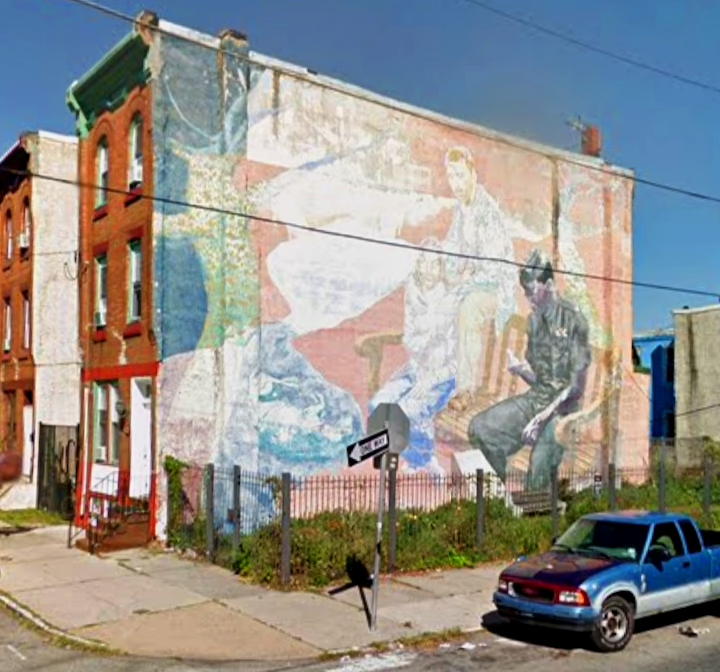
Tell us a bit about the process for creating the original mural:
The single thing I knew at the start of the project was that two young people had been killed, and that I had an opportunity to honor their memory. The families of the deceased provided me with very prized paper photos of them, and I was able to draw from those in my design process. The loss of two young people brought to mind ideas of meaning and justice, so I set the couple in a narrative composition with elements that speak to those themes. The soldier checking his watch is a symbolic sacrificial figure, wondering when his service will bring peace. The sheep drinking from the water is a view of the perfect, and the dead wolf in the same water is both a view of justice, but also a comment on the imperfect nature of life.
Tell us about the mural restoration process:
The process came together very well. Lami, Diana, Tito, Malachi, Reese, and Tom were all great to work with and made the work very smooth.
Did you have any interactions with the family related to the people depicted in the mural?
Cholo’s and Yamira’s families both stopped by during the restoration process, and it was evident from their responses that they were perhaps as moved by our restoration of the mural as they were by our initial decision to do so. I think it struck a chord that their loved ones weren’t forgotten.
What was the response from the community during the restoration?
Everyone was fantastic. There is a strong sense of togetherness in this community.
This project has been a treat for me – it was my first multi-story mural, and returning to and restoring it 25 years later brought back memories.
About Mural Arts’ Restoration Program
Mural Arts is committed to honoring and preserving Philadelphia’s world-renowned outdoor gallery, which attracts thousands of visitors annually and serves as a source of pride and inspiration for all Philadelphians. Our Restorations initiative exists to care for beloved murals created by Mural Arts and beyond, and to steward our city’s visual history. Artists and restoration specialists research historical data and artistic techniques to develop the most effective methods for repairing and revitalizing the imagery that has become an iconic part of our civic landscape.
Mural Arts completes between 10 and 15 full restoration projects per year. Full restorations entail more complex restoration work, whereby half or more of the original mural needs to be repainted. This can be caused by severe peeling, overall fading from years of sun exposure, or serious wall repairs that resulted in the artwork being patched over.
The Operations Team regularly conducts maintenance and graffiti removal on our collection, which is not considered towards our restoration projects. The Restoration Project Manager oversees additional restoration work, which may involve small to medium-sized scopes of work not included in the annual total. Approximately 100 walls are cleaned for graffiti each year, and around 50 walls undergo small to medium-scale touch-ups.
Restoration requests come to Mural Arts through community members, project partners, city council offices, artists, and other local entities. Each request undergoes a similar process:
- Restoration requests are reported through our online form or email and logged internally for review.
- The Operations Team or the Restoration Project Manager conducts a site visit to take detailed photographs of the mural and assess the repair and/or restoration needs.
- The Operations Team may recommend the mural to Restorations for a full restoration, the Project Management Office for a mural decommissioning/paint out, or the Crew for standard maintenance and graffiti removal. The original artist is alerted about the state of the mural and involved in the decision-making process moving forward.
- Restorations prioritize engaging the original artist wherever possible. If this is not feasible, we will entrust the task to a skilled muralist, proficient in restoration and expert in color matching. The restoration process is guided by the original design, ensuring fidelity to the initial artistic vision. However, when structural repairs to the mural’s wall are necessary, we make slight modifications or enhancements, always respecting the mural’s original essence and impact.
- Once a restoration is complete, the original muralist and community member who submitted the restoration request are updated. The Public Art Archive database is also updated to log each mural restoration accurately.
Throughout the site assessment and mural restoration process, Mural Arts prioritizes keeping the original artist apprised of the state of the mural and the plan of action. This way, Mural Arts can re-engage the artist to conduct the restoration, or get their input on the best steps forward. If the artist is unable to perform the restoration, they are welcome to recommend another muralist who is a good fit for the job.
Various techniques are employed depending on the mural’s restoration needs. These techniques simultaneously restore and protect a mural from future wear and tear.
- Hand-wash a mural or carefully powerwash if needed.
- Apply a clear coat sealer to secure existing paint better. At times, Mineral Spirit Acrylic (MSA varnish will be applied to help re-saturate the paint as much as possible, and then the peeled areas or patches can be spot-touched. Those respective paint colors are carefully mixed to match the re-saturated tones.
- Color matching to the current tones of the mural ensures it seamlessly blends in (this is sometimes achieved without a sealer layer, based on the mural’s color palette).
- Spot-touching small patches may be made if the original paint has had to be scraped down or has flaked off.
Reach out to the original artist and contract them for a repair. - If necessary, contract another artist with experience in mural-making and color matching to reference the original design.
After restoring the artwork, the mural is sealed with an isolation coat of acrylic sealer, and then MSA varnish is applied to protect it against weather, wear, and sun damage. - When deemed appropriate, some sites may have an added layer of an anti-graffiti coating applied based on their location, accessibility, or likelihood of being vandalized.
If a mural is frequently tagged with graffiti, has high maintenance costs, is on a wall that needs excessive repairs, or is structurally unsound, then it is recommended that the mural be removed from public view. This process is referred to as decommissioning a mural. The mural is painted out upon agreement between the Project Management Office, the Operations Team, Restorations, and the Executive Director, with the approval of the original artist.
The original artist, project partners, and wall owner are notified about the plans to paint out the mural. If there is an opportunity to work with the original artist and/or project partners to re-envision the mural, a new project is started under the Project Management Office. If Mural Arts has to paint a mural out, community input is critical in the decision process and is sometimes sought out for murals with historically significant subject matter or in a high-profile location.