2026 Mural Arts Month Featured Artist

For artist Kaldric Dow, getting to know Philadelphia meant getting to know its art.
After moving to Philly this winter, the Texas-born painter and mixed-media artist visited Ubuntu Fine Art Gallery in Germantown, where gallery owner and artist Steven Taylor introduced him to Mural Arts Philadelphia’s Fellowship for Black Artists. Eager to connect with the city’s creative community, Dow applied—and eight months later, he’s being recognized as both a 2026 fellowship recipient and the featured artist for Mural Arts Month.
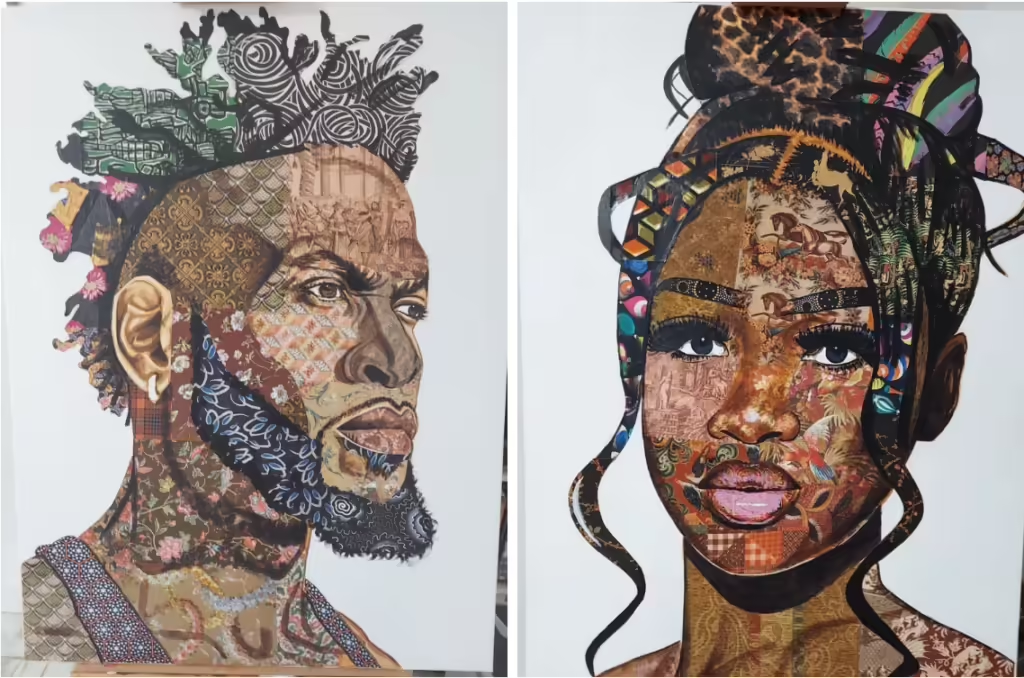
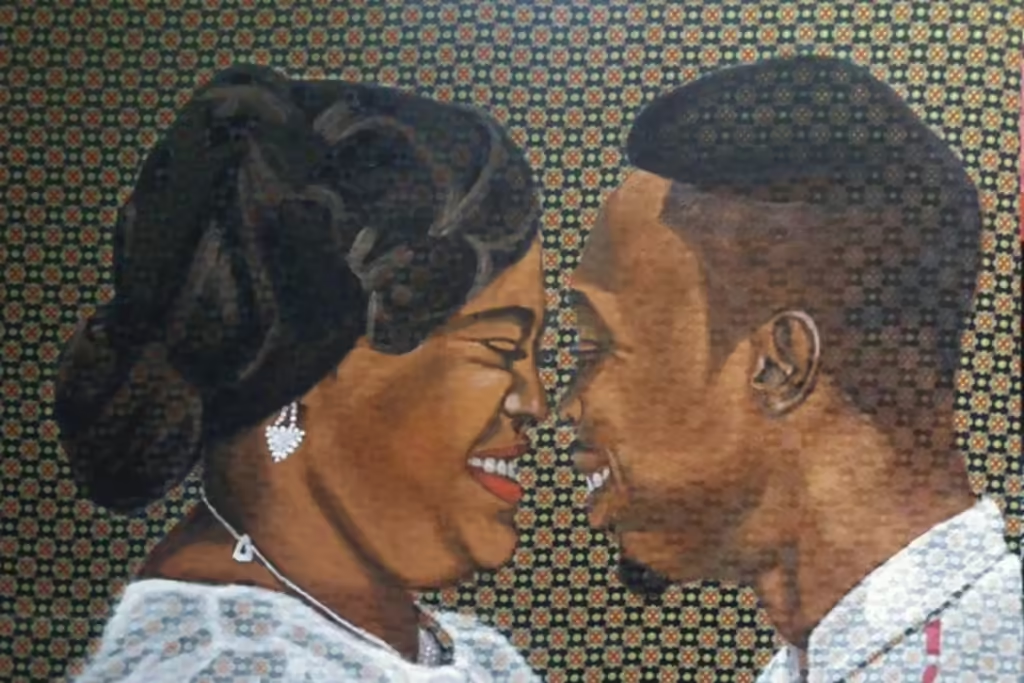
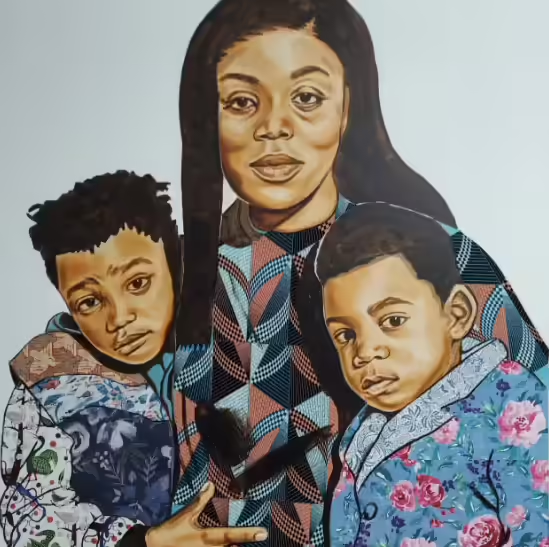
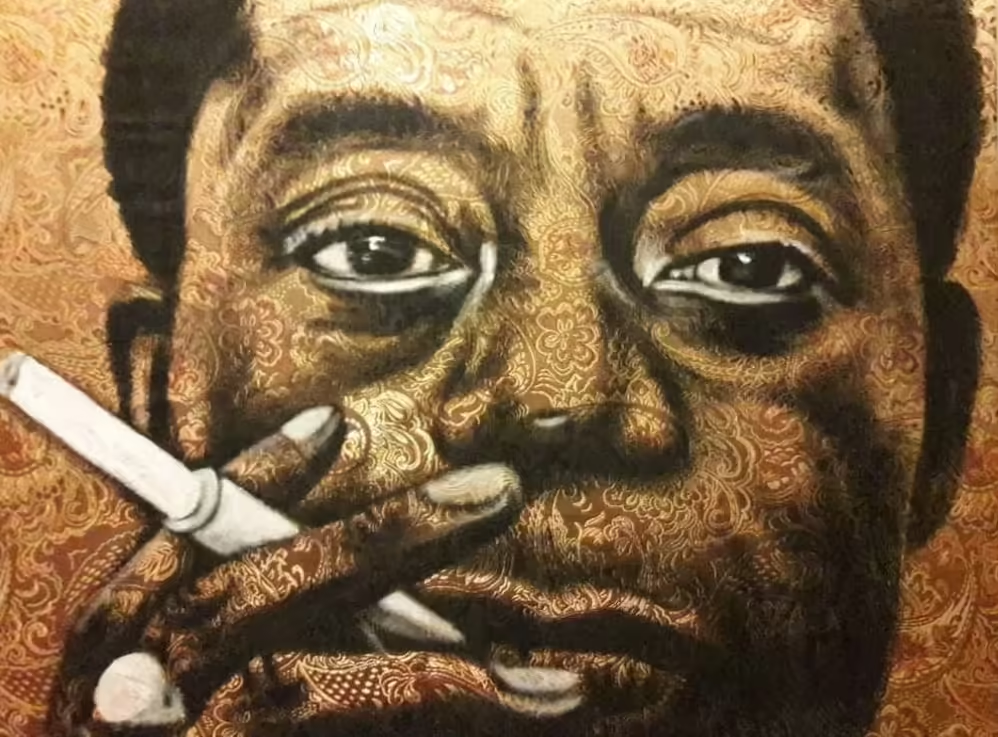
Dow’s layered portraits combine paint, fabric, and patterned paper to explore Black identity and the many ways brown skin can be represented. His original work Sisters was recently selected for the label of Mural Arts’ wine collaboration with Mural City Cellars, available online in October with a percentage of the proceeds benefiting Mural Arts.
We spoke with Dow about the inspiration behind his work, including a mural he made in San Antonio, and his journey to discover Philadelphia and build community through art.
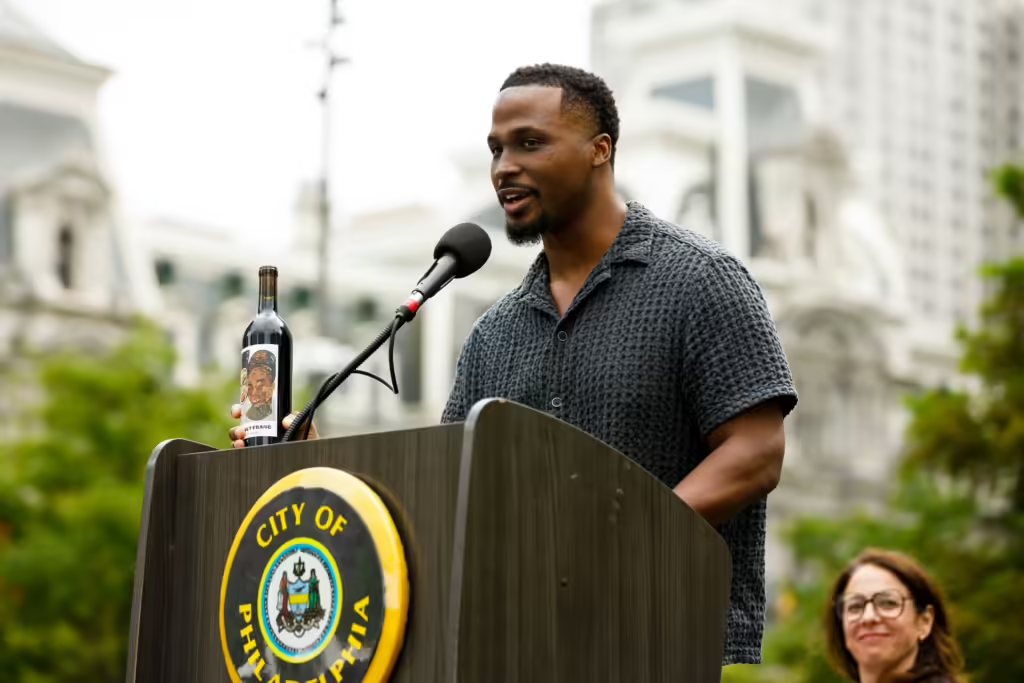
What inspires you as an artist?
The inspiration for my art is to produce positive, thought-provoking portraiture to represent the Black experience. My goal is to get people to interact and notice the different ways brown skin can be represented and its complexity. My goal is also to continue the investigation of how to represent us and how to portray skin and expression through art.
As an artist still relatively new to Philadelphia, what have you noticed or learned about the city through its art so far?
I’ve learned that Philly loves and supports its artists. Philly exudes the community by telling the city’s stories visually through murals and a large amount of art festivals. The city is bustling with creators and places for creators to show, and of course, for aspiring art collectors and art appreciators to soak up the stories and art. It really is impressive.
Since graduating from college in 2015, I’d wanted to move north because I felt there was a stronger arts infrastructure and an audience that would connect with my work. Along the way, I found a wonderful community of supporters and collectors in San Antonio, Texas, who helped me grow as an artist. I’m grateful for that experience, but over time, I felt ready for new challenges and opportunities. Philadelphia offered a fresh start and the chance to expand my practice. The conversations, connections, and opportunities here have been exciting, especially through the fellowship.
A lot of your work incorporates mixed media and collage-like elements into portraiture. How did you develop this approach, and what draws you to working with these materials?
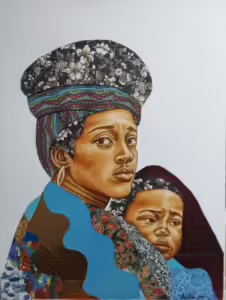
This collage style came to me around 2022. In the COVID era I actually fell into a time of slow creation, not knowing what to create because of all of the events happening, but by the end of 2022 I was working on a new body of work—something that was more playful but strategic.
I had started finding patterns in books and using it for skintone, replacing the traditional paint I’d use for patterned paper. I choose the paper based on the skintone and haircolor, and the pattern is usually from different cultures—Asian, Russian, African, or European patterns, depending on the book I’m sourcing from. I’ll also include art history references when I want to tell a deeper story with the portrait. No matter the patterns I choose, they all have to work together to tell the story of the subject in the portrait.
You mentioned having worked on some murals in San Antonio. Could you share more about that experience and how working at a larger scale or in a public setting changes your approach to making art?
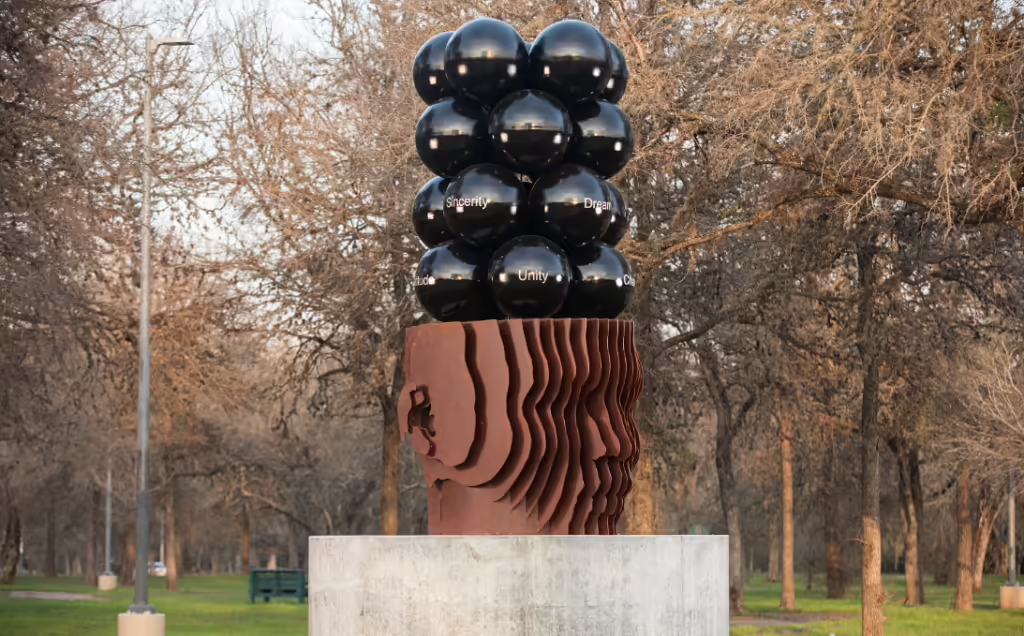
The mural [I worked on] in San Antonio was a 300-foot-wide mural on the Eastside of San Antonio, which is historically Black. The subject of the mural was the women of the Black Panther Party and the roles they played. I pulled imagery from Ebony and Jet Magazines along with patterned paper to make a series of 30 pieces that would tell a story to span the wall.
We had to do community engagement, of course, to make sure we were telling their story, and [the community] wanted to add a couple historic Eastside residents and street names, which added a lot to the design. Working on a public piece really drove home how communal art should and can be.
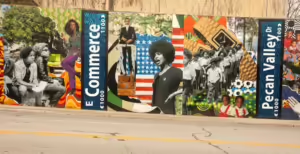
“Heirlooms: Eastside Pride” by Kaldric Dow. Photo from City of San Antonio Department of Arts and Culture
How has the Philadelphia Fellowship for Black Artists shaped your artistic practice so far?
The fellowship has exposed me to how art moves people in Philly. It has allowed me to see that art is used to send messages, and there’s meaning in the work. Some [works] are just pretty pictures, but the majority have a message, and those are powerful.
As far as building relationships with other artists, that’s my favorite thing to do—it’s just as exciting as creating work. The fellowship has connected me with so many good artists, and building that creators’ network has been extremely helpful for me.
Lastly, the wine collaboration! What was it like to see an existing work of yours presented in a new context?
Ginger Rudolph from Mural Arts reached out about collaborating with Mural City Cellars to use my artwork for the labels. I was excited and grateful! I’ve definitely seen people getting together and looking at the label as they sipped wine, becoming closer to the people they were drinking with.

This interview has been edited and condensed for clarity.